Essential Pet Health Tips for Jacksonville’s Mild Winters

Essential Pet Health Tips for Jacksonville’s Mild Winters
As winter settles over Jacksonville, pet owners often wonder how the cooler February temperatures might affect their furry family members. While Northeast Florida rarely faces harsh winter conditions, even a mild winter brings unique considerations for your pet’s comfort, health, and daily routine. At Birch Island Veterinary Clinic, located at 14485 Philips Highway, Jacksonville, FL 32256, our veterinary team is dedicated to helping pets and their families thrive all year long. Whether you’re concerned about keeping your dog active during chilly, rainy days or want to ensure your cat’s skin and coat are healthy, we’re here with guidance and services tailored to life in Jacksonville and surrounding communities. In this article, we’ll explore the most important seasonal pet health tips for our region’s mild winters, share how to recognize weather-related issues in your pet, and explain how partnering with your local veterinary professionals can make all the difference for your companion’s well-being.
How Winter in Jacksonville Affects Pet Health
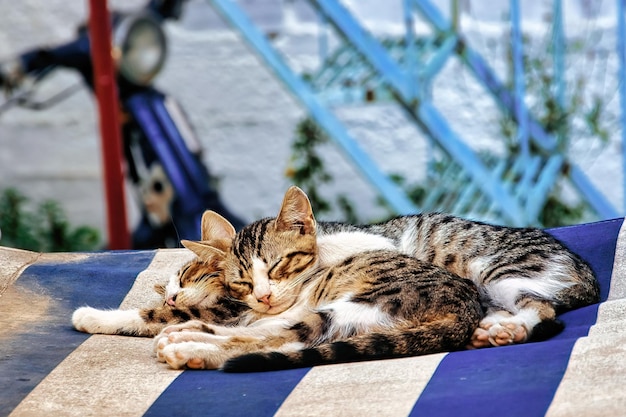
Even though Jacksonville’s winters are mild compared to many other parts of the country, the change in temperature, humidity, and routine can have subtle effects on your pet’s health. Dogs and cats may experience changes in energy levels, skin and coat condition, or even behavior when the weather shifts. For example, cooler air and increased rainfall can lead to more time spent indoors, which sometimes results in less exercise and increased boredom for active dogs. Cats may seek out warm spots to nap and become less interested in play. Additionally, lower humidity can contribute to dry skin, while dampness outdoors may increase the risk of skin infections or muddy, matted coats.
Recognizing how these seasonal changes influence your pet is the first step toward ensuring their comfort and happiness through the winter months. While most pets adjust easily, paying attention to subtle shifts in their behavior or appearance can help you catch and address issues before they become bigger concerns.
Recognizing Winter-Related Health Issues in Your Pet
Pets can be masters at hiding discomfort, but there are certain signs that owners in Jacksonville should watch for when the weather turns cool. Key symptoms of winter-related problems include dry, flaky skin, increased shedding, or redness and irritation on the paws or belly. Dogs may show stiffness or reluctance to go outside, which could signal joint discomfort that is sometimes exacerbated by cooler, damper conditions. Cats might groom excessively or develop mats if their coat becomes drier or if they spend more time curled up in one place.
Other warning signs to monitor are changes in your pet’s appetite, energy, or bathroom habits, especially if they are spending more time indoors. For example, a dog that suddenly seems less interested in walks, or a cat that starts missing the litter box, may be responding to changes in their environment or underlying health issues. Respiratory symptoms like sneezing or coughing can also appear with increased time indoors, where allergens or dust may accumulate.
If you notice persistent scratching, licking, or any changes in your pet’s skin or coat, it could point to seasonal allergies or dermatological issues made worse by winter conditions. Unusual lethargy, limping, or any sign of pain should always prompt a call to your veterinarian, as these can indicate more serious problems that require prompt attention.
Understanding the Causes: Why Mild Winters Can Still Impact Pets
Jacksonville’s winter weather is rarely extreme, but even moderate drops in temperature, humidity fluctuations, and increased rainfall can have a real effect on pets. Drier air inside heated homes can leave skin and fur more prone to irritation, while dampness outdoors can make it easier for bacteria and fungi to thrive, leading to potential infections or hot spots. Dogs that spend time in muddy or wet yards may develop irritated paws or matted fur, especially if not dried off thoroughly after outdoor play.
Additionally, reduced daylight hours and rainier weather can lead to fewer walks, less playtime, and more sedentary behavior for both dogs and cats. This lack of activity may contribute to weight gain, muscle stiffness, and even behavioral issues as pets become bored or restless. For senior pets or those with arthritis, cooler temperatures may intensify joint discomfort, making it harder for them to move comfortably or enjoy their usual routines.
In some cases, pets may also experience flare-ups of allergies or skin problems during the winter, particularly if they are exposed to indoor allergens like dust or mold. Fleas and ticks can still be a risk in Florida’s climate, even in winter, so ongoing prevention is important.
Treatment and Professional Support: How Birch Island Veterinary Clinic Can Help
When winter brings challenges for your pet’s comfort or health, our team of veterinarians at Birch Island Veterinary Clinic is here to provide comprehensive care. If your dog or cat is struggling with skin issues, our dermatology services can help diagnose and address conditions like dryness, irritation, or allergies. We use advanced diagnostic tools to pinpoint the cause and create a treatment plan tailored to your pet’s needs. For pets experiencing joint discomfort or mobility issues, our veterinary professionals can recommend pain management options, lifestyle adjustments, and therapeutic approaches such as laser therapy to support comfort and healing.
Regular wellness examinations are especially important during seasonal transitions. Our comprehensive exams allow us to catch early signs of health problems, from weight changes to dental disease, and keep your pet on track with preventive care. If you suspect your pet has allergies, we also offer allergy testing services to identify triggers and recommend treatment options.
For families who need extra support during winter months, our boarding, daycare, and grooming services offer a convenient way to keep pets active, clean, and engaged, even when the weather makes outdoor activities challenging. Grooming appointments can help manage shedding, prevent matting, and keep your pet’s skin healthy. Daycare provides a safe, stimulating environment for dogs that need socialization and exercise while you’re at work or busy with holiday activities.
No matter the concern, our veterinary team is committed to partnering with you for your pet’s year-round health and happiness.
Home Care and Prevention: Keeping Pets Comfortable and Healthy During Mild Winters
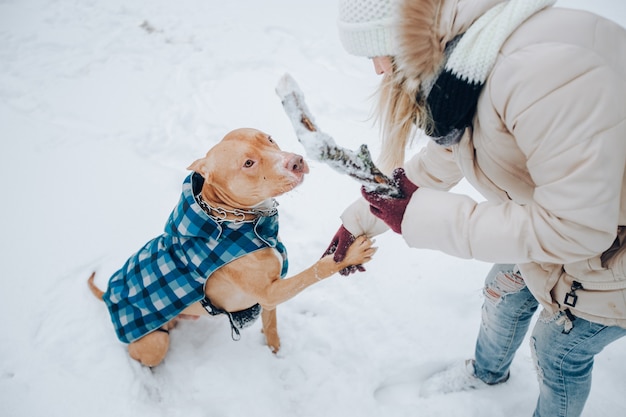
Caring for your pet during a mild Jacksonville winter involves a few key steps to maintain their comfort, health, and happiness. Make sure your dog or cat has a warm, draft-free place to rest indoors, especially on chilly nights. Regular grooming helps prevent dry skin and mats; brushing your pet’s coat a few times a week removes loose fur and stimulates natural oils, keeping the skin and hair coat healthy. After walks or outdoor play, wipe your dog’s paws to remove moisture, mud, or salts that could irritate their skin.
Continue your pet’s regular exercise routine as much as possible, even if it means playing inside on rainy days. For dogs, indoor games of fetch, tug-of-war, or training sessions help burn off energy. Cats can benefit from interactive toys, climbing trees, or window perches for bird-watching on cooler days.
Be mindful of your pet’s nutrition and weight, as decreased activity may lead to extra pounds. Adjust portion sizes if necessary and ask your veterinarian for dietary recommendations during your next visit.
Don’t overlook preventive health care in winter. Flea, tick, and heartworm prevention are still important in Florida’s climate, and regular checkups help catch any seasonal issues early. If your pet has a chronic condition like arthritis, talk with your veterinary professionals about supplements or therapies that can support joint health during cooler weather.
When to Seek Veterinary Care: Knowing When Your Pet Needs Professional Help
While many winter pet health concerns can be managed at home with simple adjustments, certain situations require professional attention. If your dog or cat develops persistent itching, redness, or sores on the skin, it’s time to schedule an appointment with our veterinary team. Ongoing limping, stiffness, or reluctance to move could indicate joint pain or injury that needs evaluation. Sudden changes in appetite, thirst, urination, or behavior are also red flags that should not be ignored.
If you notice any indication of infection, such as swelling, foul odor, or discharge from wounds, contact your veterinarian promptly. Pets with chronic health conditions, such as heart disease or diabetes, should have their care plans reviewed regularly with your veterinary professionals, especially during seasonal changes.
Remember, our team is always here to support you. From diagnosing skin problems to managing allergies or providing advanced care for mobility issues, we’re equipped to help your pet feel their best in every season.
Your Partner for Pet Wellness All Year: Schedule a Winter Health Check
Jacksonville’s mild winters may not bring snow, but they do present unique challenges for local pets and their families. By staying proactive about grooming, exercise, nutrition, and preventive care, you can help your furry companion enjoy the season to the fullest. At Birch Island Veterinary Clinic, our team of veterinarians is dedicated to supporting your pet’s health no matter the weather. Whether you’re seeking advice on seasonal skin care, need help with itchy paws, or want to book a wellness exam, we’re just a call away.
If you are searching for a veterinarian near me to help your pet thrive this winter, our caring professionals are ready to provide comprehensive, compassionate support. To schedule an appointment or learn more about our services, give us a call at (904) 717-6840. You can also visit our clinic at 14485 Philips Highway, Jacksonville, FL 32256. Together, we’ll make sure your pet stays happy, healthy, and comfortable this winter and beyond.
This article is intended for informational purposes only and should not replace professional veterinary advice. Please consult your veterinarian for personalized recommendations regarding your pet’s health and wellness.