Recognizing Cold Weather Illnesses in Jacksonville Pets

Recognizing Cold Weather Illnesses in Jacksonville Pets
As winter settles over Jacksonville and the surrounding communities, the cooler, damp weather often brings a new set of worries for local pet owners. Even though Northeast Florida rarely sees snow or ice, the dip in temperature and increased rainfall can still have a big impact on our pets’ health. If your dog or cat seems off during these chillier months, it’s natural to wonder if they might be suffering from a cold-weather illness. At Birch Island Veterinary Clinic, located conveniently at 14485 Philips Highway, Jacksonville, FL 32256, our veterinary team is committed to helping pet owners spot the early warning signs and understand when professional care is needed.
In this blog, we’ll walk you through the most common pet cold weather illnesses in Jacksonville, how to recognize symptoms of a sick pet in winter, and what steps you can take to keep your furry family member safe and comfortable. You’ll also learn when it’s time to schedule an appointment with your local veterinarian for peace of mind and expert care. If you’re searching for a vet near me that prioritizes preventive programs and tailored advice, you’ll find our team ready to help. For those looking to keep their pets healthy during the winter months, our wellness exam services are a great way to catch issues early and discuss personalized prevention strategies.
Spotting the Signs: How to Recognize Cold Weather Illnesses in Jacksonville Pets
When the days grow shorter and temperatures drop, pets can experience a range of health problems tied to the changing climate. It’s easy to dismiss a little extra sleepiness or a mild cough as nothing serious, but these can be early indicators that your pet is struggling with a cold-weather condition. Recognizing symptoms of a sick pet in winter is key to catching problems before they become more serious.
Key symptoms of pet cold weather illnesses include coughing, sneezing, nasal discharge, and watery eyes, which often signal respiratory infections. Cats and dogs may also experience lethargy, reduced appetite, or shivering, especially after time spent outdoors. Watch for unusual changes in behavior, such as hiding more than usual in cats or reluctance to go outside in dogs. Other warning signs are limping or stiffness, which can be more pronounced in older animals as damp weather worsens joint discomfort.
If you notice that your pet seems uncomfortable, is having trouble breathing, or develops a persistent cough, these are signs that should not be ignored. Jacksonville’s winter weather may not be severe, but even mild cold snaps can stress your pet’s immune system. For some animals, especially those with chronic conditions, young puppies or kittens, and seniors, the risk of complications is higher. Trust your instincts; if your pet is acting differently and you’re unsure if it’s weather-related, scheduling a comprehensive veterinary care visit is a smart move.
Why Do Pets Get Sick in the Jacksonville Winter? Understanding the Causes
It’s tempting to think that because North Florida winters are milder than those up north, our pets are safe from cold weather illnesses. However, the reality is that even moderate drops in temperature, combined with high humidity and rain, can create the perfect environment for illness.
Respiratory infections are among the most common pet cold weather illnesses in Jacksonville. These often spread more easily when pets are indoors for longer periods or in close quarters at boarding, daycare, or grooming facilities. Viruses and bacteria, such as those responsible for kennel cough or feline upper respiratory infections, thrive in damp, crowded conditions. Dampness also aggravates arthritis and joint pain, making older pets more vulnerable to discomfort.
Another contributing factor is the stress that comes with environmental changes. When the weather shifts, pets may receive less exercise, experience changes in routine, or become anxious during storms. This stress weakens the immune system, lowering their resistance to illness. Additionally, Jacksonville’s mild winters can cause a false sense of security, leading some pet owners to skip preventive care or delay vaccinations, which increases the risk of infection.
Seasonal allergies can also flare up in the winter due to mold growth in wet conditions. Pets may start scratching or develop skin irritations. If you notice persistent itching, redness, or hair loss, this could be a sign of a dermatological issue triggered by the season. Our pet dermatology services are designed to help identify and treat these types of concerns, ensuring your pet stays comfortable year-round.
Treatment and Management: How Birch Island Veterinary Clinic Supports Your Pet
When your pet is under the weather, timely and comprehensive veterinary care is essential. At Birch Island Veterinary Clinic, our veterinarians offer a full range of services for pet cold weather illnesses in Jacksonville. The first step is always a thorough examination to pinpoint the cause of your pet’s symptoms.
Diagnosis typically involves a physical exam and may include diagnostic testing, such as bloodwork or imaging, to rule out underlying conditions. For respiratory infections, treatment approaches involve supportive care, medication to address infection or inflammation, and recommendations to keep your pet warm and hydrated. In cases where joint pain or arthritis is aggravated by cold, we may suggest pain management options, joint supplements, or laser therapy to ease discomfort.
If allergies or skin conditions are part of the problem, our veterinary team can perform allergy testing and provide targeted treatments to reduce itching and irritation. For pets with chronic health issues, such as heart or respiratory problems, winter is an ideal time for a wellness examination or annual preventative bloodwork, which can catch potential problems before they escalate.
Throughout the treatment process, we emphasize communication and education. We encourage you to ask questions, express concerns, and be an active participant in your pet’s care. Our goal is to help your pet recover quickly while giving you the peace of mind that comes with expert veterinary guidance.
Prevention and Home Care: Keeping Your Jacksonville Pet Safe in Winter
Prevention is always easier than treatment, especially when it comes to pet cold weather illnesses. Here in Jacksonville, there are several practical steps you can take to keep your furry family member healthy, even as temperatures fluctuate.
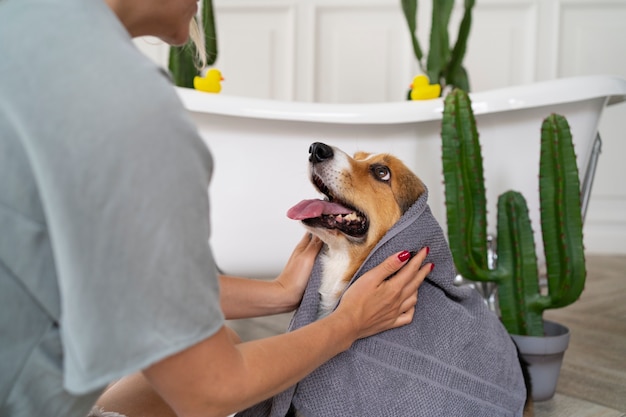
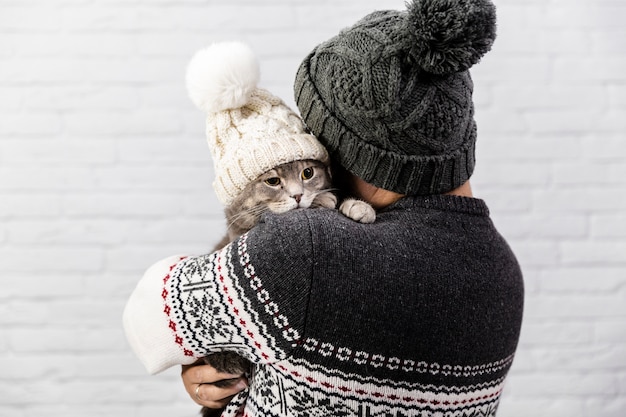
First, make sure your pet’s vaccinations are up to date, as immunizations protect against common respiratory infections that circulate more in the winter months. Providing a warm, dry place to sleep is crucial; damp bedding or chilly floors can contribute to illness and joint pain. Avoid long walks in cold rain, and always dry your pet thoroughly if they get wet. For breeds with short hair or low body fat, consider a pet-safe sweater for extra insulation.
Regular grooming helps maintain a healthy coat, which acts as natural insulation. Monitor your pet for changes in appetite, energy, or behavior, as early intervention can make a significant difference in outcomes. If your pet attends daycare or boarding, choose facilities with good ventilation and strict cleaning protocols to reduce the risk of infectious diseases.
At home, try to keep routines consistent and provide opportunities for play and exercise indoors when the weather is unpleasant. For pets with known allergies or sensitive skin, keep an eye out for increased scratching or redness, and consult our veterinary professionals about preventive treatments. Our allergy testing services can help pinpoint triggers if your pet is struggling with seasonal symptoms.
When to Schedule a Veterinary Appointment: Recognizing Urgent Signs
Knowing when to seek veterinary services in Jacksonville is critical for your pet’s wellbeing. While some mild symptoms can be managed at home with rest and monitoring, there are certain signs that always warrant professional attention.
You should schedule an appointment with our veterinary team if your pet experiences persistent coughing, labored breathing, high fever, refusal to eat, vomiting, diarrhea, or severe lethargy. Sudden changes in mobility, such as limping or unwillingness to move, are also cause for concern, especially in older pets during damp weather. If your pet has a chronic medical condition, even subtle changes in health during the winter should prompt a visit.
Early intervention can prevent minor issues from developing into more serious illnesses. If you’re not sure whether your pet’s symptoms require veterinary attention, it’s always better to err on the side of caution. Our veterinarians at Birch Island Veterinary Clinic are here to help you make informed decisions, offering compassionate care and clear communication every step of the way.
Protect Your Pet This Winter: Schedule a Visit with Birch Island Veterinary Clinic
Cold weather illnesses can sneak up on even the healthiest pets in Jacksonville, but with vigilance and proactive veterinary care, you can help your furry companion stay comfortable and safe all season long. By watching for early warning signs, providing a warm and stress-free environment, and keeping up with preventive care, you’re taking important steps to safeguard your pet’s health.
If you have questions about symptoms of a sick pet in winter or need support with prevention, don’t hesitate to reach out. Our veterinary professionals are committed to building lasting relationships with local families, offering everything from comprehensive veterinary care to annual preventative bloodwork and seasonal advice tailored to Jacksonville’s unique climate.
To schedule an appointment with a quality vet near me, contact Birch Island Veterinary Clinic at (904) 717-6840 or visit us at 14485 Philips Highway, Jacksonville, FL 32256. We’re here to help you navigate pet cold weather illnesses in Jacksonville and ensure your beloved companion enjoys a healthy, happy winter. For more information on the services we offer or to book your pet’s next checkup, explore our veterinary care options online or give us a call today.
This blog is intended for informational purposes only and should not replace individualized veterinary advice. If your pet is experiencing severe symptoms or you are concerned about their health, please consult your veterinarian promptly.